Source Portable Mini Travel Steam Iron for Home, Hotel, and Office
Compare 30 Portable Mini Travel Steam Iron options featuring stainless steel soleplates, adjustable temperature, and compact designs. Buyers can evaluate models with varying water tank capacities, steam volumes, and certifications like CE and RoHS to find the right fit for household or travel needs.
Key considerations
Products List


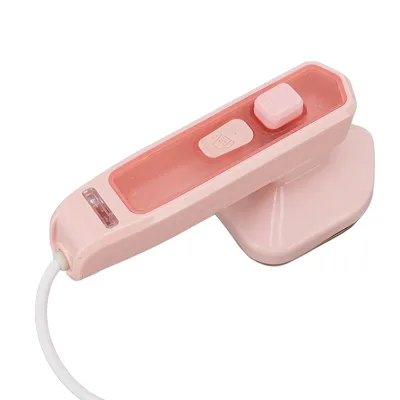


Hot Selling 1000W Temperature Adjustable Auto-Shut off Hotel Mini Electric Steam Iron
$11.65 - $11.95
MOQ: 1000 Pieces


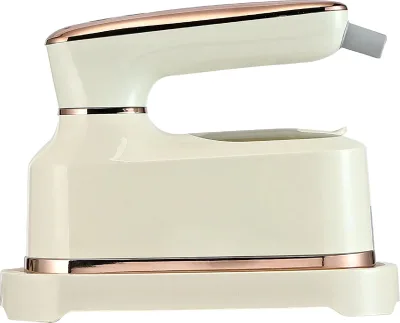

Hot Sale Fashionable Travel Dormitory Portable Handheld Hanging Small Mini Steam Iron
$27.00 - $27.95
MOQ: 40 Pieces

Hot Sale Professional Micro Portable Handheld Travel Mini Suitable Steam Iron
$2.99 - $3.50
MOQ: 300 Pieces

Multiple Repurchase Portable Handheld Garment Steamer Mini Steam Iron Travel Steamer
$3.57 - $5.57
MOQ: 180 Pieces

Innovation New-Style New Design Garment Clothes Travel Pants Portable Mini Steam Iron
$11.99 - $12.57
MOQ: 80 Pieces

Wholesale Price Mini Garment Steamer Handheld Portable Home Travelling Steam Iron
$12.14 - $14.14
MOQ: 70 Pieces

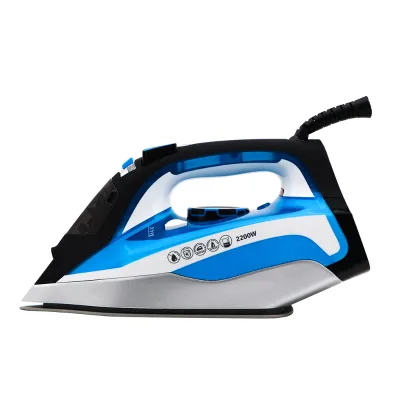
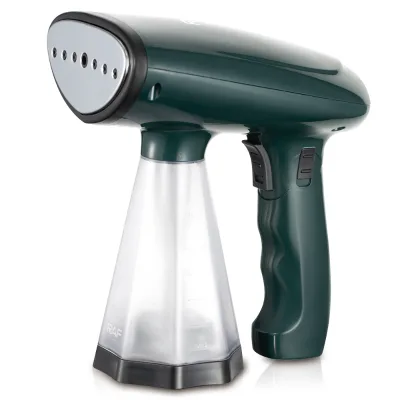
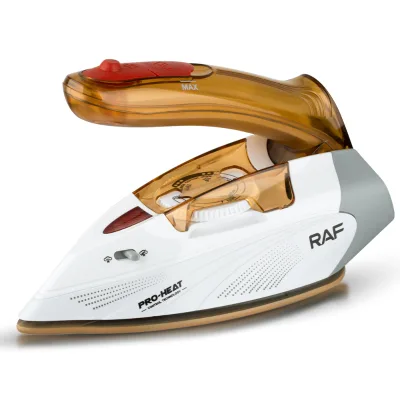

Portable Held Mini Travel Steam Irons Professional Steam Iron Electric Irons
$4.07 - $4.61
MOQ: 1000 Pieces
Comprehensive Sourcing Guide
Strategic Sourcing Guide for Portable Mini Travel Steam Irons
Understanding the Technical Architecture of Mini Travel Irons
When sourcing portable mini travel steam irons, buyers must first distinguish between the specific technical configurations available in the current market. The product landscape for this category is defined by a clear dichotomy between "Mini" and "Non-Mini" form factors, which directly influences portability and performance. The observed specifications indicate that the "Mini" variant typically features a compact unit size of approximately 19.5 x 8.2 x 8.3 cm, with a soleplate size of 15.4 x 8.2 cm. In contrast, alternative configurations may offer folding modes with dimensions around 17.9 x 7.7 x 9.5 cm, designed specifically for optimized storage in luggage.
The power architecture is another critical technical differentiator. While some units operate within a standard range of 800W, other high-performance models in the market are rated between 1000W and 1500W. This variance dictates the heating speed and the ability to generate sufficient steam pressure for different fabric types. Voltage compatibility is equally vital for international trade; suppliers often provide units configured for 230V50Hz or 120V60Hz, both typically rated at 800W. Buyers must verify if the specific model supports dual voltage or requires a converter, as this impacts the usability of the iron in global markets.
Water management systems vary significantly across the product range. The water tank capacity is a primary constraint for travel irons, with observed capacities ranging from 40ml to 50ml. This small volume necessitates frequent refilling during extended use but is essential for maintaining a lightweight profile. Steam output is another key metric, with some models offering a steady steam volume of 5g/Min, while others provide a burst of steam capability of at least 0.25g per actuation. The soleplate material is predominantly stainless steel, often described as Inox Stainless Steel, sometimes paired with a non-stick coating to prevent fabric damage. The choice between mechanical and electronic temperature control is also a deciding factor; electronic systems offer precise temperature changes, whereas mechanical systems rely on traditional dials.
Compliance and Certification Verification Protocols
In the B2B procurement of electrical appliances, compliance is not merely a regulatory formality but a prerequisite for market access. The supply chain for portable mini travel irons is heavily influenced by certification requirements, which vary by destination market. High-confidence data indicates that many units in this category carry the CE, GS, RoHS, and CB certifications. These marks are essential for selling in the European Union and other regions that align with European safety standards. The CE mark confirms conformity with health, safety, and environmental protection standards, while GS indicates German safety certification, which is often a benchmark for quality.
RoHS compliance ensures that the product does not contain restricted hazardous substances, a critical requirement for environmental regulations in many jurisdictions. The CB scheme facilitates global acceptance of test results, potentially reducing the need for re-testing in different countries. However, buyers must exercise caution, as some product listings may only specify CE certification, while others list a broader suite including EMC (Electromagnetic Compatibility) and EMF (Electromagnetic Field) certifications. The presence of EMC and EMF is particularly important for devices that operate at higher power levels or contain complex electronic temperature controls, as these standards mitigate interference with other electronic devices.
When evaluating a supplier, procurement teams should request a valid certificate of conformity for each specific model number, such as YFP-3068 or YPF-6148. It is crucial to verify that the certification covers the specific voltage and wattage configuration being ordered. A product certified for 230V may not automatically be compliant for 120V markets without specific testing. Furthermore, the absence of an automatic power-off feature in some models, as noted in specific product attributes, requires careful risk assessment. Buyers must ensure that the lack of this safety feature does not violate local safety regulations in the target market, as many jurisdictions mandate automatic shut-off for household irons to prevent fire hazards.
Cost Drivers and Pricing Dynamics in the Mini Iron Market
The pricing structure for portable mini travel steam irons is influenced by a complex interplay of material costs, manufacturing complexity, and certification overhead. The observed price range in the market spans from $2.99 to $27.95 USD, reflecting the wide variance in quality, features, and brand positioning. The lower end of this spectrum typically corresponds to basic models with mechanical temperature control, smaller water tanks (40ml), and standard stainless steel soleplates. These units often lack advanced features like electronic temperature regulation or 360-degree revolving cords.
Conversely, the higher price points are associated with models featuring electronic temperature control, larger water capacities, and enhanced safety features such as automatic shut-off. The inclusion of a "Gift Box" packaging option, with dimensions around 53.5 x 22.2 x 43.2 cm, also adds to the cost, as premium packaging is often required for retail distribution. The material cost of the soleplate is a significant driver; models utilizing high-grade Inox Stainless Steel with non-stick coatings command a premium over those with standard coatings. Additionally, the power rating influences cost; units operating in the 1000W-1500W range generally cost more than 800W models due to the more robust heating elements and wiring required.
Minimum Order Quantity (MOQ) is another critical factor affecting the unit cost. The observed MOQ range spans from 1 to 3000 units. Buyers purchasing small quantities near the lower end of this range will face higher per-unit costs, while those ordering near the 3000-unit threshold can leverage economies of scale. The packaging standard also impacts logistics costs; while some models come in a "Master Box" or "Carton," others are packaged in "Gift Box/Carton" combinations. The net weight of the product, observed at approximately 12.8 kg for certain bulk configurations, further influences shipping costs. Buyers must calculate the total landed cost, including freight, duties, and insurance, rather than focusing solely on the ex-works price.
Typical Applications and Usage Scenarios
The utility of a Portable Mini Travel Steam Iron extends beyond simple garment care, encompassing a variety of specific use cases that dictate the required specifications. The primary application is household use, where the device serves as a compact alternative to full-sized irons for quick touch-ups. However, the "Outdoor" application tag suggests versatility for use in environments without standard electrical infrastructure, provided the voltage is compatible. This makes the device suitable for travelers, hotel guests, and individuals in temporary housing situations where space is at a premium.
The "Dry, Horizontal and Vertical Steam" functionality is particularly valuable for users who need to remove wrinkles from hanging garments, such as suits or dresses, without needing an ironing board. This feature transforms the iron into a handheld steamer, increasing its utility for travel. The "Temperature Changeable" attribute allows users to adjust settings for different fabric types, from delicate synthetics to heavy cottons, ensuring safe and effective care. For business travelers, the compact size and folding capabilities (reducing the unit size to 17.9 x 7.7 x 8.8 cm) make these irons ideal for packing in carry-on luggage.
The "Anti-dry burning" support is a crucial feature for applications where the user may be distracted or forget to empty the water tank. This safety mechanism prevents the soleplate from overheating when dry, reducing the risk of fabric damage or fire. The "360 Degree Revolving Cord" enhances usability in tight spaces, allowing the cord to rotate freely around the base of the iron, which is beneficial for both household and hotel room use. Buyers should match the application requirements with the specific product attributes; for instance, a model with a 40ml tank may be sufficient for a weekend trip but inadequate for a week-long business tour requiring frequent ironing.
Supplier Evaluation and Quality Assurance Framework
Evaluating suppliers for portable mini travel steam irons requires a rigorous assessment of their manufacturing capabilities, quality control processes, and adherence to the specified standards. The origin of the product is a key indicator of supply chain stability, with "China" and specifically "Zhejiang" identified as primary production hubs. Buyers should verify the supplier's ability to maintain consistency across different production batches, especially given the variation in certifications and specifications observed in the market.
Quality control should focus on the integrity of the soleplate material and the reliability of the electrical components. The "Stainless Steel" and "Inox Stainless Steel" materials must be free from defects that could cause uneven heating or fabric snagging. The "Electronic" temperature control systems require precise calibration to ensure that the "Temperature Changeable" feature functions accurately across the entire range. Buyers should request sample units to test the "Steam Volume" consistency and the "Burst of Steam" performance, ensuring they meet the stated specifications of 5g/Min or >=0.25g/Actuation.
The packaging standards, such as "Master Box" or "Carton," must be evaluated for durability to prevent damage during transit. The "Gift Box" dimensions and the "Unit Size" in both user and folding modes must be verified to ensure they meet the logistical requirements of the buyer's distribution network. Additionally, the "prod_standard" for shipping, such as 20GP/10400pcs or 40GP/21600pcs, provides insight into the supplier's production capacity and efficiency. A supplier that can consistently meet these high-volume standards is likely to have robust quality control systems in place.
Long-Term Procurement and Supply Chain Considerations
Sourcing portable mini travel steam irons is not a one-time transaction but a long-term strategic partnership that requires careful planning for scalability and risk management. The "Customization" availability is a significant advantage for buyers looking to brand the product or modify specifications for specific markets. However, customization often involves higher MOQs and longer lead times, which must be factored into the procurement timeline. Buyers should negotiate clear terms regarding customization costs and the impact on certification validity.
The "Automatic Shut-off" feature, or the lack thereof, presents a long-term liability consideration. Models without automatic power-off may face increasing regulatory scrutiny in safety-conscious markets. Procurement teams should prioritize suppliers who can offer models with this safety feature to future-proof their inventory against changing regulations. The "Cord" type, specifically the "360 Degree Revolving Cord," is a feature that enhances user satisfaction and reduces product returns, making it a valuable differentiator for long-term brand loyalty.
Finally, the "Net Weight" and "Unit Size" are critical for logistics planning. As the product count increases, the cumulative weight and volume can significantly impact shipping costs and warehouse storage requirements. Buyers should analyze the "prod_standard" for container loading (e.g., 20GP, 40GP, 40HQ) to optimize container utilization and reduce per-unit shipping costs. By maintaining a strategic relationship with suppliers who can provide consistent quality, reliable certifications, and flexible customization options, buyers can ensure a steady supply of high-quality portable mini travel steam irons that meet the evolving needs of their customers.
FAQs
What certifications do portable mini travel steam irons typically have?
Many units carry CE, GS, RoHS, and CB certifications for European compliance. Some models also include EMC and EMF marks for electromagnetic compatibility. Buyers must verify that the specific certification covers the voltage configuration being ordered.
How does the water tank capacity affect usage time?
Observed capacities range from 40ml to 50ml, requiring frequent refilling during extended use. This small volume maintains a lightweight profile essential for travel but limits continuous steaming without interruption. Users should plan for regular refills based on fabric type.
Which soleplate materials are available for these irons?
The soleplates are predominantly made of Stainless Steel or Inox Stainless Steel. Some models feature a non-stick coating to prevent fabric damage. This material choice ensures durability and even heat distribution for various garment types.
Can these irons operate on different voltage standards?
Suppliers often provide units configured for 230V~50Hz or 120V~60Hz, both typically rated at 800W. Buyers must verify if the specific model supports dual voltage or requires a converter for global markets. Voltage compatibility is critical for international usability.
What is the typical price range for portable mini travel steam irons?
The observed price range spans from 2.99 to 27.95 USD depending on features. Lower prices usually correspond to basic models with mechanical control, while higher prices include electronic regulation and safety features. MOQs also influence the final per-unit cost significantly.
How does the steam volume differ between models?
Some models offer a steady steam volume of 5g per minute. Others provide a burst of steam capability of at least 0.25g per actuation. The specific output depends on the heating element power and water management system design.
Are customization options available for these products?
Customization is available for buyers looking to brand the product or modify specifications. However, customization often involves higher minimum order quantities and longer lead times. Buyers should negotiate clear terms regarding costs and production timelines.